
Our Founder
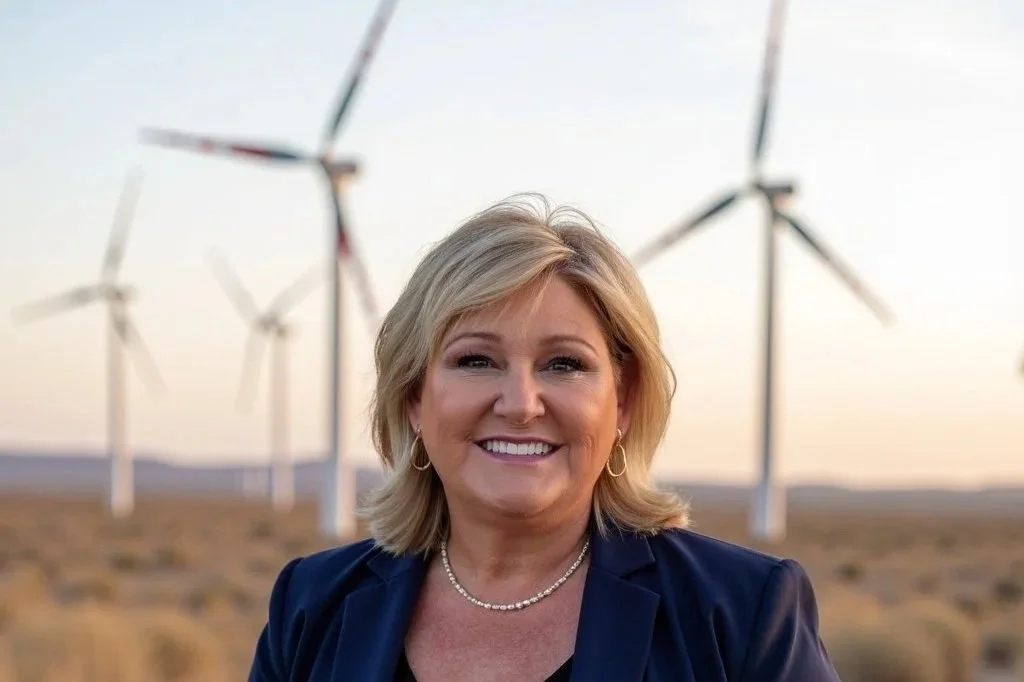
Bev Yoakum, MS Ed.
An educational leader with extensive experience in early childhood education, school leadership, and program development.
Her work is guided by a deep respect for children as capable learners and a belief that learning flourishes in environments shaped by trust, beauty, and collaboration.
Through Reggio Studios, Bev partners with families and educators to create meaningful early learning experiences that honor each child’s unique potential.
30+
Experience in Education
True Hero
Award Recipient
Master’s in Early Childhood Education Administration
Curriculum
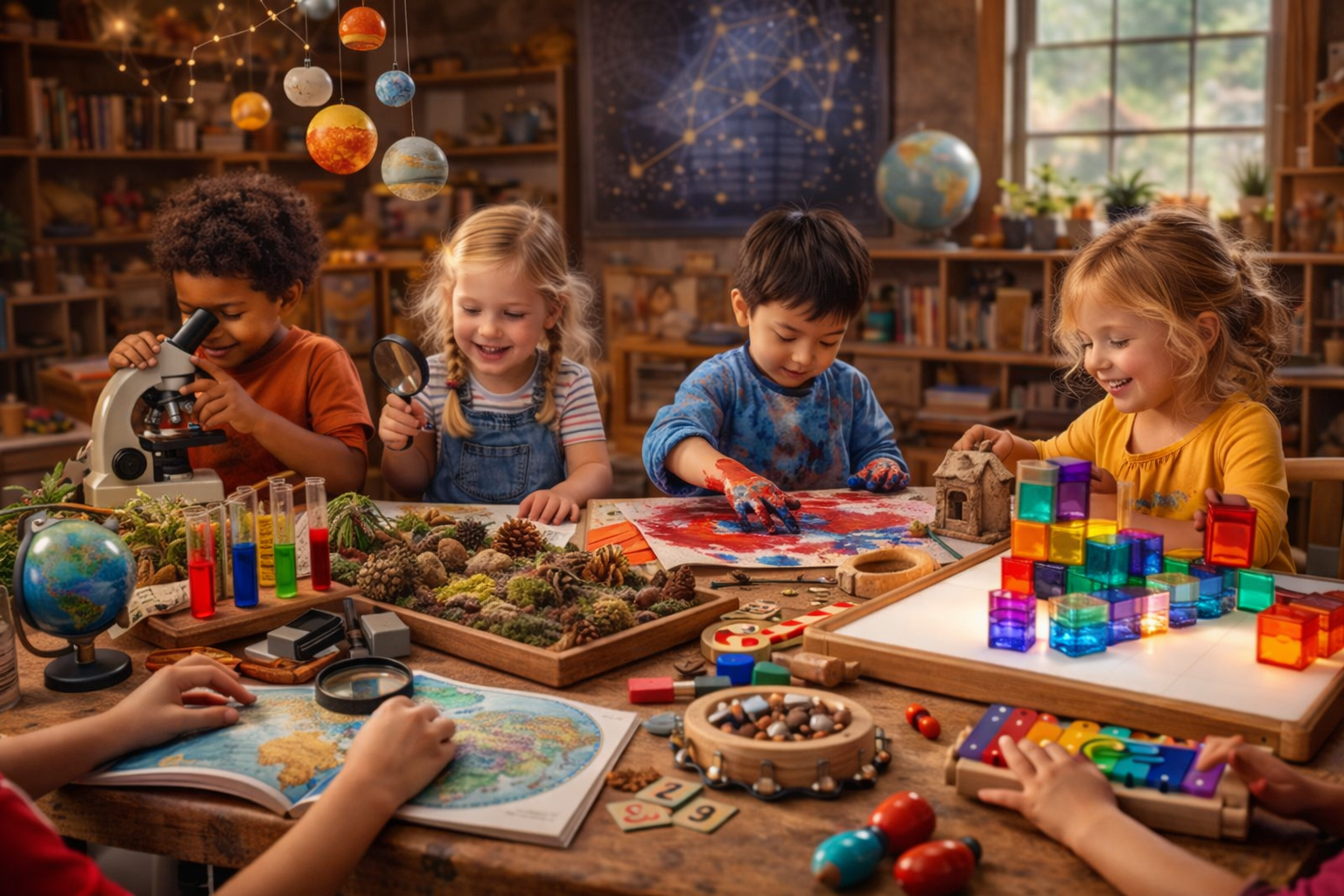
Art Studio
Astronomy
Biology
Chemistry
Child-led learning
Clay Exploration
Earth Science
Found Materials
Geography
Light Discovery
Mathmatics
Music
Nature Focus
Painting
Physics
Reading Lab
Science Lab
Reggio Emilia schools are grounded in the belief that children are not passive recipients of information, but active, capable participants in their own learning.
Philosophically, the approach seeks to cultivate curiosity, agency, and meaning-making by honoring children as thinkers, creators, and collaborators from the earliest years.
Rather than prioritizing predetermined outcomes or standardized instruction, Reggio Emilia schools emphasize learning as a process—one that unfolds through exploration, dialogue, experimentation, and reflection.
Knowledge is constructed socially, through relationships with peers, educators, materials, and the environment, which is intentionally designed as a “third teacher.”
At its core, the Reggio Emilia philosophy aims to develop children who:
Trust their own ideas and questions
Engage deeply with the world through multiple forms of expression
Think critically and creatively across disciplines
See learning as connected, meaningful, and joyful
By valuing beauty, time, observation, and listening, Reggio Emilia schools foster not just academic readiness, but the formation of thoughtful, empathetic, and curious human beings—individuals prepared to participate meaningfully in their communities and in the larger world.